Vestibular Rehabilitation
Vestibular Rehabilitation: A Targeted Approach to Dizziness and Vertigo
Dizziness and vertigo can significantly affect daily life, making even simple activities challenging. Vestibular Rehabilitation is a specialized, evidence-based form of therapy designed to reduce these symptoms, improve balance, and restore confidence in movement.
What Is Vestibular Rehabilitation?
Vestibular Rehabilitation Therapy (VRT) is a customised exercise-based program aimed at helping the brain compensate for problems within the vestibular system—the part of the inner ear and brain that controls balance and spatial orientation. Therapy may include exercises for gaze stabilisation, balance training, habituation to movement, and postural control, depending on the individual’s condition.
Why a Tailored Program Matters
Vestibular rehabilitation is most effective when it is planned based on the results of a formal vestibular assessment. A comprehensive assessment helps identify the exact cause, location, and type of vestibular dysfunction. Using this information, a tailored rehabilitation plan can be developed to target the specific deficits, rather than relying on generic exercises. This individualized approach often leads to faster progress, better symptom control, and more lasting results.
How Long Does Vestibular Rehabilitation Take?
One of the most common questions people ask is: “How long will it take for vestibular rehabilitation to relieve my dizziness or vertigo?”
The answer depends largely on the underlying cause of the symptoms.
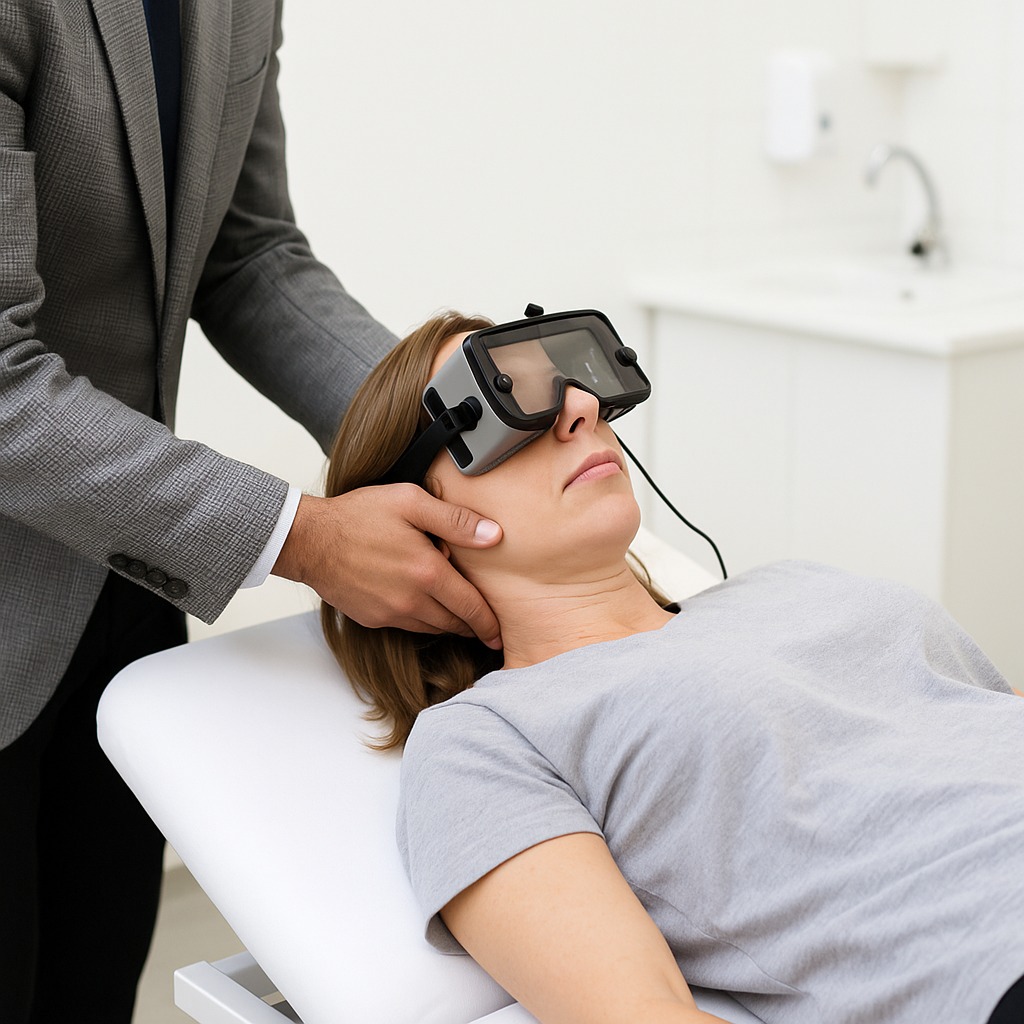
- Benign Paroxysmal Positional Vertigo (BPPV): Symptoms often resolve quickly, sometimes within one to three treatment sessions, using specific repositioning manoeuvres.
- Peripheral Vestibular Dysfunction(e.g., vestibular neuritis, unilateral vestibular loss): Improvement typically occurs over several weeks with consistent therapy.
- Central Vestibular Disorders(related to the brain or nervous system): Recovery may take longer and progress can be more gradual, but targeted rehabilitation can still significantly improve function and quality of life.
- Bilateral Vestibular Dysfunction: Rehabilitation often requires a longer-term program focused on balance strategies and visual compensation, with meaningful improvements seen over months.
Each person’s recovery timeline is unique and influenced by factors such as diagnosis, symptom severity, overall health, and adherence to the rehabilitation program.
Final Thoughts
Vestibular rehabilitation is a highly effective treatment for many causes of dizziness and vertigo, especially when guided by a thorough vestibular assessment. A personalised approach ensures that therapy addresses the true source of symptoms, helping patients return to daily activities with greater stability and confidence.
Contact Us
If you are experiencing dizziness or vertigo and would like to learn more about vestibular assessment and individualized vestibular rehabilitation, please contact us to discuss your symptoms and available evaluation options. Early assessment can be a key step toward effective recovery.