Vestibular Assessment
Understanding the Symptoms and the Importance of a Formal Vestibular Assessment:
Many people experience dizziness, vertigo, or balance problems at some point in their lives. These symptoms can affect your ability to move around safely, carry out everyday activities, or enjoy your life the way you used to. While these symptoms can be quite frightening, the good news is that in many cases, they can be properly diagnosed and effectively managed.
At The Audiology Clinic, we are here to help you understand these conditions and guide you toward the right care.

Dizziness, Vertigo and Imbalance – What’s the Difference?
Although people often use these terms interchangeably, they actually refer to different experiences:
- Dizziness is a general feeling of light-headedness, faintness, or being unsteady. Some people describe it as a floating sensation or feeling as though they might pass out.
- Vertigo is a specific type of dizziness where you feel as if you or your surroundings are spinning or moving, even when you are still. It can be short-lived or last for a long time.
- Imbalance refers to difficulty maintaining your body’s stability. It might feel like you’re veering to one side, stumbling while walking, or feeling unsure of your footing.
These symptoms can be caused by a variety of issues, including problems with the vestibular system (part of the inner ear), the brain, the eyes, the neck, or even the heart. Because of this, it’s important to get a proper assessment to find the true cause.
Dizziness and Vertigo Are Symptoms — Not Diagnosis
It’s important to understand that dizziness, vertigo, and imbalance are symptoms, not the Diagnosis. This means they are warning signs of an underlying issue rather than the issue itself. Just like a cough or a fever could be caused by many different illnesses, dizziness could be due to anything from an inner ear disorder to a neurological condition or blood pressure problem.
Treating the symptom alone without knowing the cause might only give temporary relief—or worse, miss a more serious problem. That’s why a diagnosis is essential for long-term and effective management.
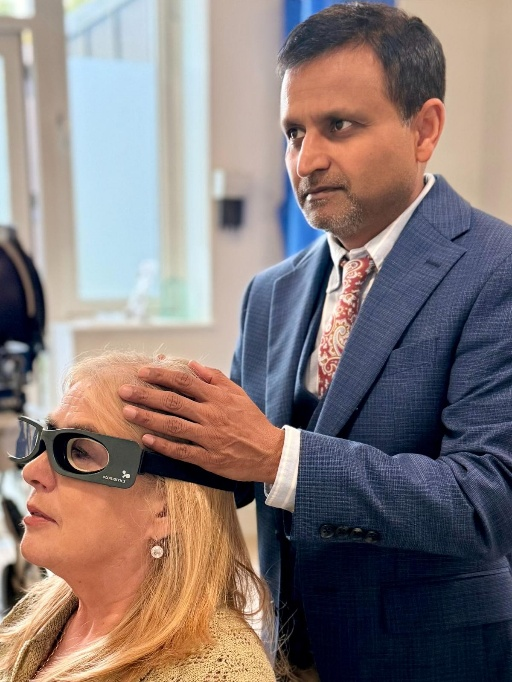
Why You Need a Formal Vestibular Assessment
Dizziness, imbalance, or unexplained vertigo can be unsettling, disruptive, and even dangerous. While occasional light-headedness may not raise concern, persistent or recurrent symptoms often point to an underlying vestibular disorder. The vestibular system—located in the inner ear and its connections to the brain—plays a crucial role in maintaining balance, spatial orientation, and stable vision. When this system malfunctions, everyday activities such as walking, driving, or even getting out of bed can become challenging. A formal vestibular assessment is the most reliable way to uncover the root cause of balance and dizziness problems. Here’s why it matters:
1.Dizziness Can Have Many Causes
Dizziness is one of the most common reasons people seek medical attention, but it’s also one of the most complex symptoms to evaluate. Causes can range from inner ear dysfunction to neurological conditions, cardiovascular issues, or even side effects of medications. A structured vestibular assessment uses specialized tests to differentiate between these possibilities, ensuring that the cause isn’t misdiagnosed.
2. Accurate Diagnosis Means Targeted Treatment
Self-diagnosing or relying on a general examination alone can delay effective treatment. A vestibular assessment evaluates how your inner ear, eyes, and brain work together to maintain balance. With detailed results, clinicians can recommend precise treatments—such as vestibular rehabilitation therapy (VRT), medication, or referral to another specialist—rather than trial-and-error approaches.
3. Preventing Falls and Injury
Imbalance is a leading cause of falls, particularly among older adults. Falls can result in fractures, head injuries, and long-term disability. Identifying vestibular deficits early through assessment can reduce fall risk by guiding patients toward balance training, lifestyle modifications, or medical interventions.
4. Peace of Mind and Improved Quality of Life
Living with unexplained dizziness can cause anxiety, restrict daily activities, and lower overall quality of life. A formal vestibular assessment provides clarity. Even if no significant disorder is detected, the reassurance of a thorough evaluation can reduce worry and allow you to focus on safe, practical strategies for managing symptoms.
5. Establishing a Baseline for Future Care
For individuals with progressive conditions or recurring dizziness, an initial vestibular assessment serves as a baseline. Future assessments can track changes over time, helping healthcare providers adjust treatment plans and detect complications early.
When Should You Consider an Assessment?
You may benefit from a vestibular assessment if you experience:
- Repeated episodes of vertigo or dizziness
- Difficulty maintaining balance while walking
- Sensitivity to motion (e.g., in cars or on escalators)
- Frequent unexplained falls
- A sense that your surroundings are spinning or tilting
- Blurred or unstable vision when moving your head
Final Thoughts
Your balance system is central to your independence, safety, and confidence in daily life. A formal vestibular assessment is not just about diagnosing a problem—it’s about providing answers, preventing complications, and guiding you toward recovery. If dizziness or imbalance is interfering with your daily routine, seeking a structured evaluation is an important step toward regaining control.
You Don’t Have to Live with Dizziness or Imbalance
If you or someone you care about is struggling with dizziness, vertigo, or unsteadiness, don’t wait to seek help. These symptoms are often treatable once the underlying cause is identified.
At The Audiology Clinic, we are dedicated to providing high-quality, specialist care for individuals with dizziness and balance disorders. With the right assessment and management, you can get back to feeling like yourself again—safe, steady, and confident.
Contact Us Today
Reach out to The Audiology Clinic to learn more about our formal vestibular assessments and how they can help you or your loved one. We are happy to explain what’s involved and how this evaluation can be the first step toward effective relief from dizziness and vertigo.