Hearing Assessment
Why a Detailed Diagnostic Hearing Assessment is Essential
A diagnostic hearing assessment is much more than simply pressing a button when you hear a beep.
At The Audiology Clinic, every patient is assessed by a Doctor of Audiology using advanced clinical techniques to accurately identify hearing difficulties and recommend the most suitable treatment.
Our comprehensive assessment includes:
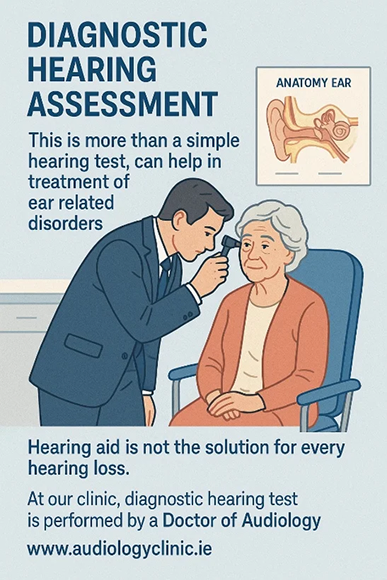
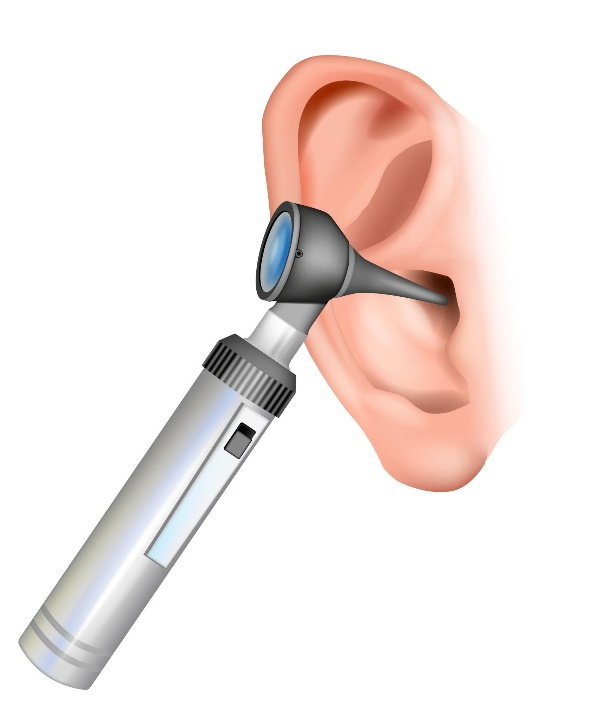
Otoscopy – Visual Ear Examination
Otoscopy is the first and essential step of any hearing assessment. Using an otoscope, the clinician examines the ear canal and eardrum to check for:
- Earwax blockage
- Ear infections
- Fluid behind the eardrum
- Eardrum perforation
- Foreign bodies or abnormalities
- Or other abnormalities in the ear canal or middle ear
This ensures hearing tests are performed safely and accurately, without physical conditions affecting the results.
Pure Tone Audiometry (Hearing Threshold Test)
Pure Tone Audiometry measures how well you hear sounds across different pitches and volumes. It helps determine the type, degree, and configuration of hearing loss—whether it is conductive (involving the outer or middle ear), sensorineural (involving the inner ear or auditory nerve), or mixed. To ensure accurate results, especially when there is a significant difference in hearing between the two ears, masking is used. Masking involves presenting noise to the non-test ear to prevent it from detecting the test tones, thereby isolating the test ear’s responses. Inappropriate masking can lead to inaccurate results: under-masking may allow the non-test ear to respond instead of the test ear, while over-masking can interfere with the test ear’s ability to hear the tones. Proper masking is crucial for obtaining reliable and valid hearing thresholds.
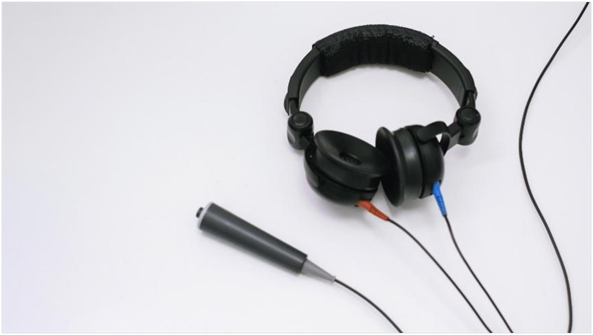
Speech Audiometry for Hearing Aid Fitting
At our clinic, speech audiometry is an essential hearing test performed before selecting and fitting hearing aids. This test evaluates how clearly you understand speech, helping us choose the most suitable hearing aid and amplification settings for your needs.
While a hearing aid can make sounds louder, speech clarity is equally important. Some people may hear sounds at an adequate volume but still struggle to understand conversations if their speech discrimination ability is reduced.
By measuring speech recognition and clarity, speech audiometry allows us to recommend the most effective hearing solution. In some cases, if speech understanding remains limited, additional hearing rehabilitation strategies or alternative technologies—such as cochlear implants—may be considered.
Because of this, speech audiometry plays a critical role in creating personalised hearing solutions that improve communication in everyday situations.
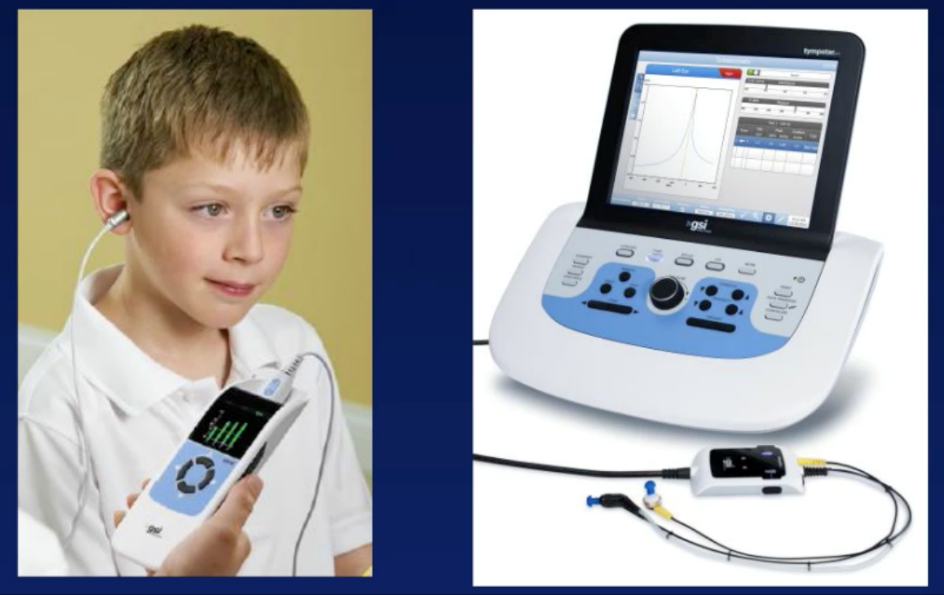
Middle Ear Assessment (Tympanometry)
Tympanometry evaluates middle ear function and helps detect:
- Fluid behind the eardrum
- Eustachian tube dysfunction
- Ear infections
- Perforated eardrum
- Conditions such as otosclerosis
Otoacoustic Emissions (Inner Ear Assessment)
Otoacoustic Emissions (OAE) are sounds generated by the inner ear, specifically the outer hair cells of the cochlea, in response to an auditory stimulus such as a clicking or tone sound. These emissions occur when the cochlea is functioning properly and can be recorded with a small, sensitive microphone placed in the ear canal. OAE testing is a quick, non-invasive, and objective method used to assess cochlear (inner ear) function.
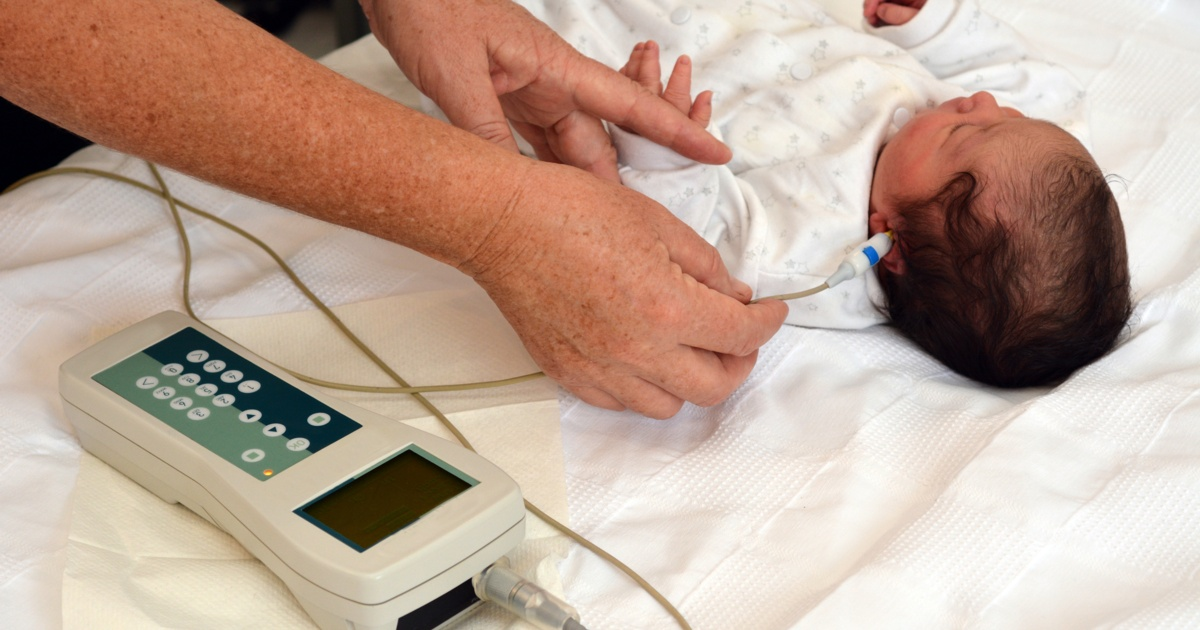
At our clinic, Otoacoustic Emissions (OAE) testing is often performed before selecting and fitting hearing aids. This quick and non-invasive hearing test help us evaluate the health and function of the cochlea, particularly the outer hair cells, which play a crucial role in hearing.
If OAEs are absent, it may indicate damage to the outer hair cells in the inner ear. In these cases, we may recommend hearing aids with specific amplification strategies, such as higher gain or advanced compression settings, to improve hearing performance.
However, if OAEs are present despite hearing difficulties, the issue may lie beyond the cochlea—possibly involving the auditory nerve or brainstem. In such situations, further diagnostic testing may be required to determine the most appropriate treatment.
By providing valuable insight into inner ear function, OAE testing helps us design personalised and effective hearing rehabilitation plans, ensuring patients receive the most suitable hearing solutions.
Personalised Diagnosis & Treatment
By carefully analysing the results of comprehensive hearing tests and diagnostic evaluations, Dr. Deepak Kumar accurately identifies the type, degree, and possible cause of hearing loss. This detailed assessment allows him to recommend the most appropriate treatment and hearing management plan tailored to each patient’s unique needs.
If the evaluation shows that hearing aids are the best solution, Dr. Deepak selects devices that match the patient’s hearing profile, lifestyle, and communication requirements. This personalised approach ensures that patients receive the most suitable hearing aid technology for clearer and more comfortable hearing.
With a focus on evidence-based audiology and patient-centred care, Dr. Deepak’s goal is to provide effective hearing solutions that improve speech clarity, enhance daily communication, and support better quality of life.