Auditory Processing Disorder
What is APD
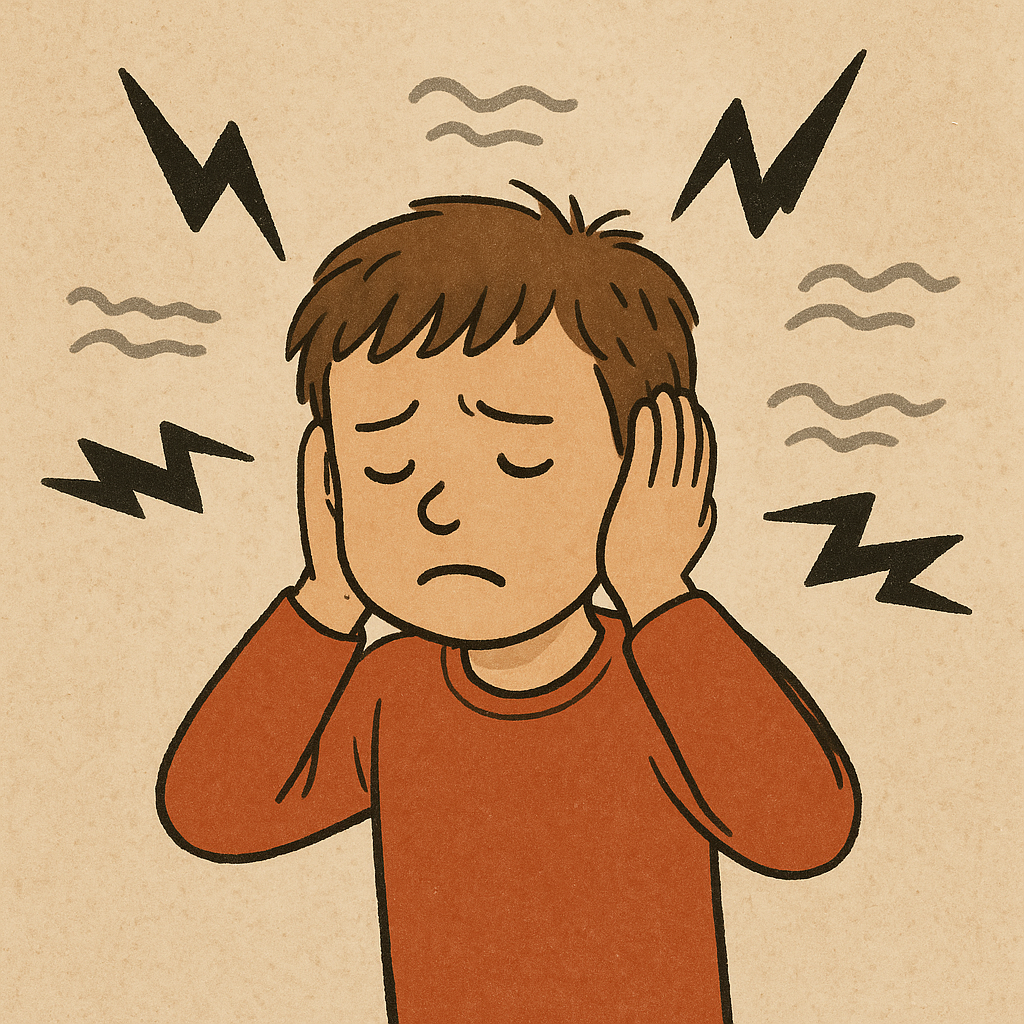
APD is a condition where the brain has difficulty processing and interpreting sounds, despite normal hearing ability. It mainly affects how someone understands spoken language, especially in noisy environments.
Symptoms:
- Difficulty understanding speech in noisy or echoey settings
- Frequently asking for repetition (“What?” or “Huh?”)
- Trouble following complex or rapid speech
- Poor listening skills and short auditory attention span
- Mishearing or misunderstanding spoken information
- Difficulty with phonics, reading, spelling, or learning new languages
Assessment:
- Conducted by an audiologist using specialized tests (usually after age 7)
- Tests include speech-in-noise tasks, dichotic listening, auditory memory, and temporal processing evaluations
- Case history, questionnaires, and input from parents/teachers often supplement testing
Management:
- Environmental modifications: reducing background noise, improving classroom acoustics, preferential seating
- Compensatory strategies: note-taking support, visual aids, repetition, slower speech from others
- Auditory training: computer-based programs and therapy to improve auditory skills
- Assistive technology: FM systems or remote microphones to enhance speech clarity
- Collaboration between audiologists, speech-language therapists, teachers, and families is important