Understanding Hearing Aids
Understanding Hearing Aids
Hearing aids are remarkable devices that can transform the lives of people living with hearing loss. But while technology plays an important role, the real key to success lies in the expertise of the professional guiding the process. At The Audiology Clinic, every patient is assessed and cared for by a Doctor of Audiology to ensure the most accurate diagnosis and the most suitable treatment plan.

Technology in Hearing Aids
Today’s hearing aids go far beyond simply making things louder. They use digital processing to enhance speech clarity, reduce background noise, connect to smartphones, and even adapt automatically to different environments. Features like directional microphones, feedback cancellation, and Bluetooth streaming have made hearing aids smarter and more versatile than ever before.
What’s More Important – The Technology or the Professional?
Although hearing aids are technologically sophisticated, the real difference is made by the professional behind them. The most advanced hearing aid will not deliver good results if it is not fitted and programmed appropriately. At our clinic, Doctor of Audiology ensures that the device is chosen, adjusted, and fine-tuned specifically for your hearing profile, communication needs, and lifestyle.
Why Proper Hearing Aid Fitting Matters
Hearing aids are not “plug-and-play” devices. Everyone’s ears and hearing loss are unique, which is why precise fitting is crucial. Proper fitting ensures that:
- Sounds are amplified to the right level for your hearing loss.
- Speech is clear without being uncomfortable.
- The device provides real benefit in daily life.
- Hearing aids (for those with hearing loss, though not always suitable for every tinnitus patient)
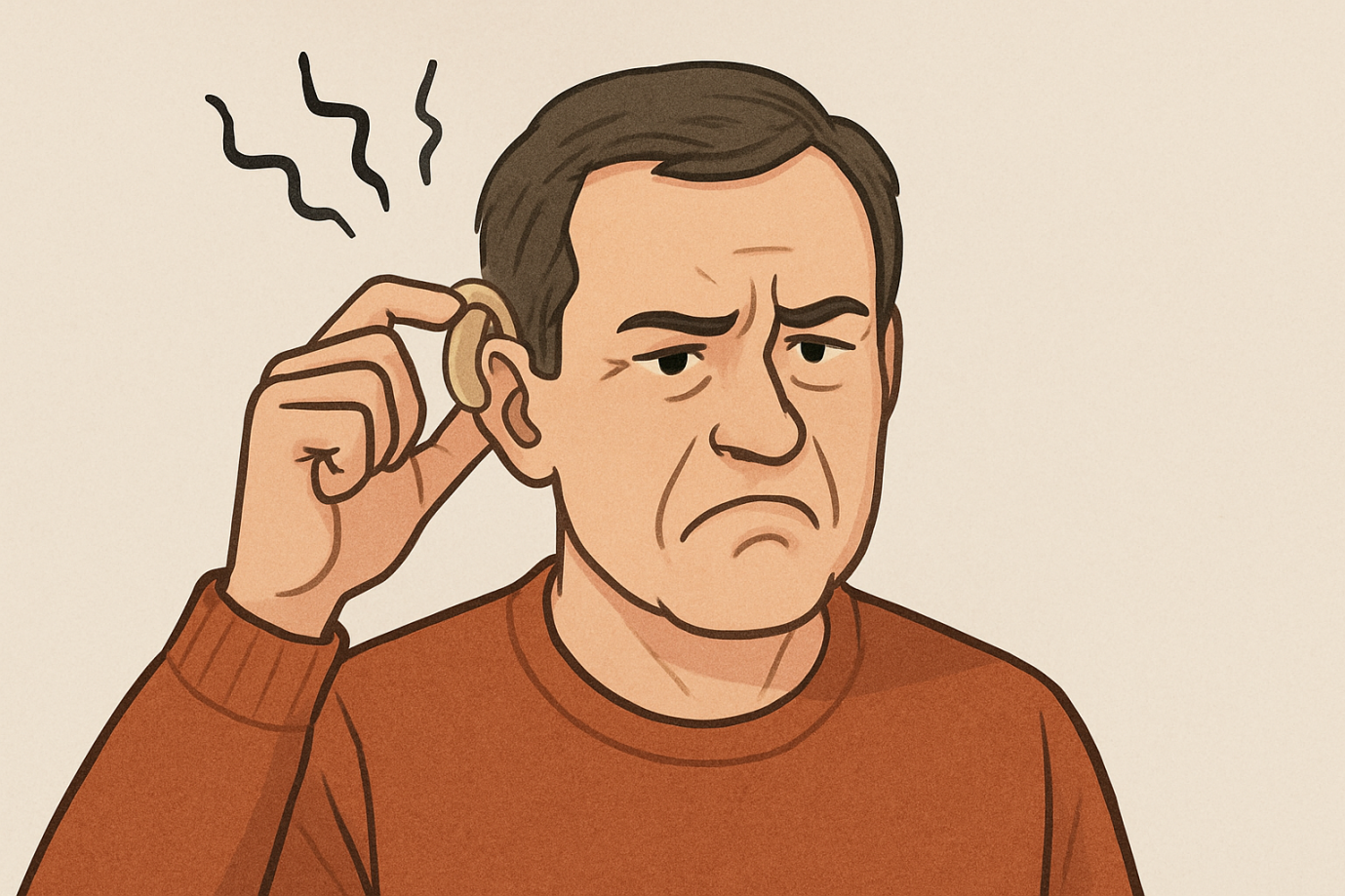
Real Ear Measurement (REM) – Gold Standard in Fitting
Real Ear Measurement is a procedure used to verify that a hearing aid is delivering the correct level of amplification inside the ear canal. A tiny microphone is placed in the ear alongside the hearing aid, and real-world sounds are measured. This ensures the device is not just set “approximately right” but is customised to the individual’s ear acoustics. REM is essential for accurate, effective hearing aid fitting.
Why a Diagnostic Hearing Assessment Is Essential
At our clinic, before recommending hearing aids, a comprehensive diagnostic hearing assessment is performed by a ‘Doctor of Audiology’. This includes evaluating the type and degree of hearing loss, examining the health of the ear, and ruling out any medical issues. Without this step, fitting a hearing aid is guesswork and may result in poor outcomes.
Hearing Beeps vs. Understanding Speech
In a basic hearing test, you may hear beeps or tones—but real-life hearing is about understanding speech, especially in noise. Hearing aids are designed to improve speech clarity, not just sound detection. That’s why professional fitting and adjustment are so important.
Why Hearing Aids Are Not Like Glasses
Glasses simply correct blurry vision—once you put them on, the world instantly becomes clear because the eyes still send complete information to the brain.
Hearing aids, however, do not restore normal hearing. They amplify sound, but if your inner ear or auditory nerves are damaged, the brain receives incomplete or distorted information. Hearing aids must be adjusted over time, and your brain needs to relearn how to interpret sounds.
So while glasses replace a missing function, hearing aids support a system that is already compromised—making them far more complex and personalized.
When Hearing Aids Are Not the Only Solution
Not all hearing problems can be solved with hearing aids. In some cases, medical treatment, surgery, or cochlear implants, BAHA may be more appropriate. At our clinic, a Doctor of Audiology ensures that only suitable patients are advised to use hearing aids.
Why Choose The Audiology Clinic?
At The Audiology Clinic, we provide more than just hearing aids—we provide expertise, care, and long-term support. Patients are seen by a Doctor of Audiology who:
- Performs a detailed examination of the ears.
- Caries out a full diagnostic hearing assessment
- Advises hearing aids only when suitable and beneficial.
- Uses Real Ear Measurement for accurate hearing aid fitting.
Our goal is not just to fit a hearing device, but to help you hear—and understand—better in the real world.